Table Of Contents
When it looks old, it is! And this is the first sign you need to consider an upgrade. The standards back in the day were very different from today, and safety protections starts at the switchboard. Your safety and that or the people around you can depend on how you act when you notice a problem.
A switchboard rarely fails without warning. Most homeowners notice something's off well before it becomes a real problem, tripping fuses, a burning smell, or just a nagging feeling that the board hasn't been touched since the house was built. This guide covers the actual warning signs, what an upgrade involves, and what it tends to cost in Australia right now.
What your switchboard actually does
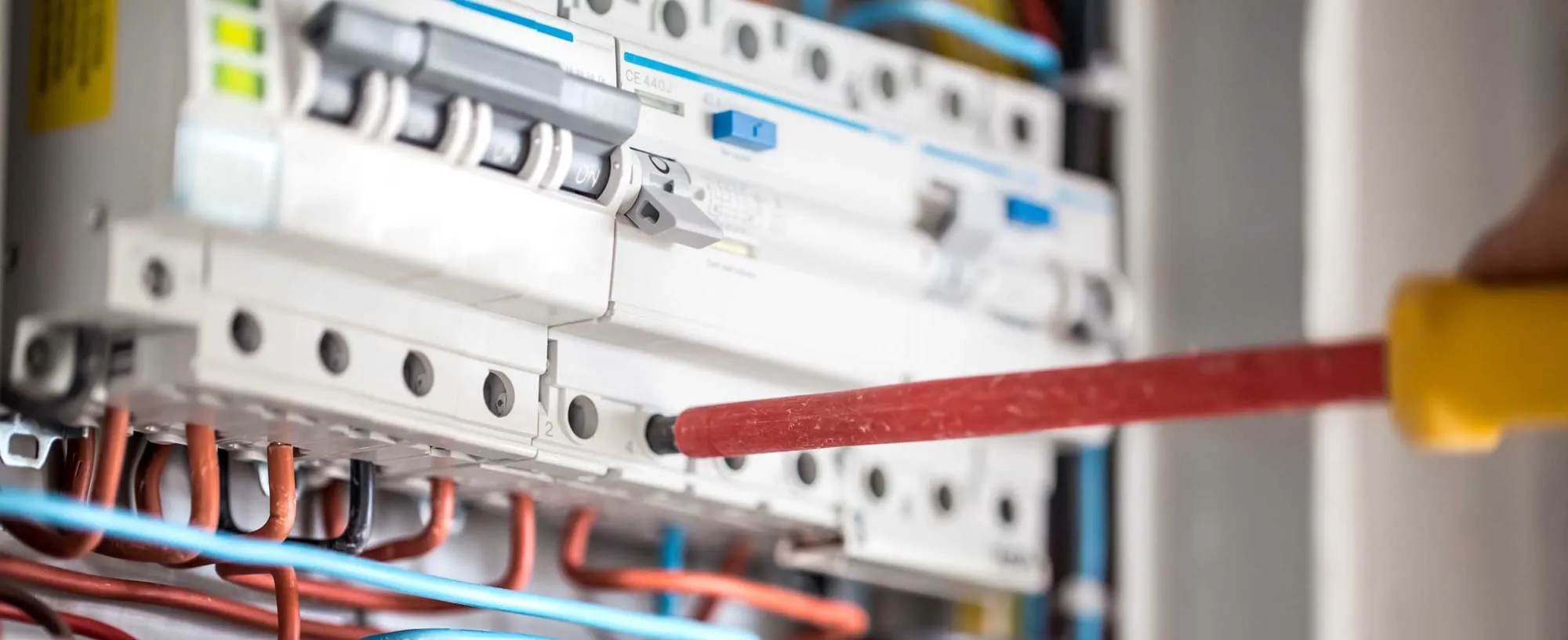
Your switchboard is the point where electricity from the street enters your home and gets distributed safely to every circuit, lights, power points, and any dedicated circuits for things like air conditioning or an oven.
A modern switchboard typically houses:
- Circuit breakers or RCBOs, one per circuit, that cut power if there's a fault
- Safety switches (RCDs), designed to prevent electric shock
- The main switch, which cuts power to the entire home
- Sometimes a separate meter box and sub-mains, depending on your home's setup
Warning signs your switchboard needs upgrading
Most switchboard problems show up gradually, not all at once. If any of the following sound familiar, it's worth getting a licensed electrician to take a look before it becomes an emergency rather than a planned upgrade.
Common warning signs include:
- Fuses or breakers tripping frequently, especially when running multiple appliances at once
- A burning smell near the switchboard, or visible scorch marks
- A buzzing sound or the board feeling warm to touch
- Flickering lights that aren't explained by a single faulty bulb
- Not enough circuits or spare capacity for renovations, EV charging, or ducted air conditioning
- Visible rust, cracking, or physical damage to the switchboard enclosure
Ceramic fuses and older switchboards
If your switchboard still uses ceramic, rewireable fuses rather than modern circuit breakers, that's one of the clearest signs an upgrade is overdue. Ceramic fuses are slower to react to faults, don't offer the same protection as RCDs, and are considered outdated under current wiring standards.
A few things worth knowing about older boards specifically:
- Switchboards installed before 1985 often have asbestos-cement backing panels, sometimes with trade names like Zelemite or Ausbestos stamped on the back
- Simply having an older board isn't an emergency on its own, but any work on it needs to be handled by a licensed electrician following correct procedures, not DIY
- Drilling, cutting, or removing fuse holders on an asbestos backing panel is what disturbs the fibres, not the board just sitting there
Safety switches: are yours up to standard?
Safety switches, also called RCDs, are designed to cut power almost instantly if they detect current leaking somewhere it shouldn't, which is what prevents a faulty appliance or damaged wiring from causing a serious electric shock.
Where a lot of older Whyalla homes fall short:
- Many older installations only have one or two safety switches covering part of the home, not every circuit
- Current wiring standards call for RCD protection on most circuits, not just a couple
- If you're not sure how many safety switches your home has, or what they actually cover, that's worth checking as part of any switchboard assessment
What a switchboard upgrade involves
A switchboard upgrade generally means replacing the old board entirely, not just adding a component here or there, since most older boards weren't built with the capacity or protection modern homes need.
A typical upgrade includes:
- Removing the old fuse box or outdated board
- Installing a new switchboard with individual RCBOs (safety switch plus circuit breaker combined) on each circuit
- Adding capacity for extra circuits if you're planning renovations, solar, EV charging, or ducted air conditioning
- Safely removing and disposing of any asbestos backing panel, handled correctly by a licensed electrician
- Lodging the required certificate of compliance once the work is finished
What a switchboard upgrade can cost
Cost depends heavily on the size of your home, the number of circuits, and whether anything complicates the job, like an asbestos backing panel or a need for three-phase power.
As a general Australian guide for 2026:
- Basic switchboard replacement (single-phase, standard home): roughly $1,000 to $3,500
- Larger homes or boards with more circuits: roughly $2,500 to $4,500
- Asbestos backing removal, if needed: typically adds a few hundred to a couple of thousand dollars
- Three-phase upgrades, needed for larger ducted systems or higher-capacity EV charging: roughly $2,500 to $6,500
These are national ballpark figures, not a Whyalla-specific quote. Your actual cost depends on your home's condition and circuit count, which is exactly what an on-site assessment from Nordic will confirm.
FAQs
My switchboard looks old should I replace it?
Older switchboards do not have the same performance of safety as the newer and more advanced switchboards, the circuit breakers and RCBO's protect circuits from fire better than old porcelain fuses. RCD's protect people better. Newer switchboards are less likely to fail and more likely to protect you, so consider an upgrade if you have an older switchboard.
How do I know if I need a switchboard upgrade?
If you're dealing with frequent tripping, ceramic fuses, a burning smell, or not enough circuits for your household's needs, these are all signs worth having checked by a licensed electrician rather than waiting for something to fail.
Is it dangerous to have an old switchboard?
An older switchboard isn't necessarily an immediate danger just sitting there, but ceramic fuses and limited safety switch coverage offer less protection than a modern board, and warning signs like a burning smell or warm switchboard should be treated seriously.
How much does a switchboard upgrade cost?
Most standard residential upgrades in Australia currently run somewhere between $1,000 and $4,500, depending on your home's size and circuit count, with three-phase or asbestos removal pushing costs higher. We'll give you an accurate figure after assessing your home.
How long does a switchboard upgrade take?
Most standard upgrades are completed in a single day. Jobs involving asbestos removal, sub-mains work, or a three-phase conversion can take longer, and we'll let you know upfront if that applies to your job.
Book a Licensed Electrician in Whyalla
If any of these signs sound familiar, it's worth getting your switchboard properly assessed rather than waiting for it to fail. Nordic's licensed electricians will check it out and give you a straight, upfront quote. Call us on (08) 8645 5011 or get in touch through our contact page.
McMullen Trades


.jpg)
.jpg)
.jpg)